
The Economics
Why Cheap Cat Toys Cost More Than Premium Ones
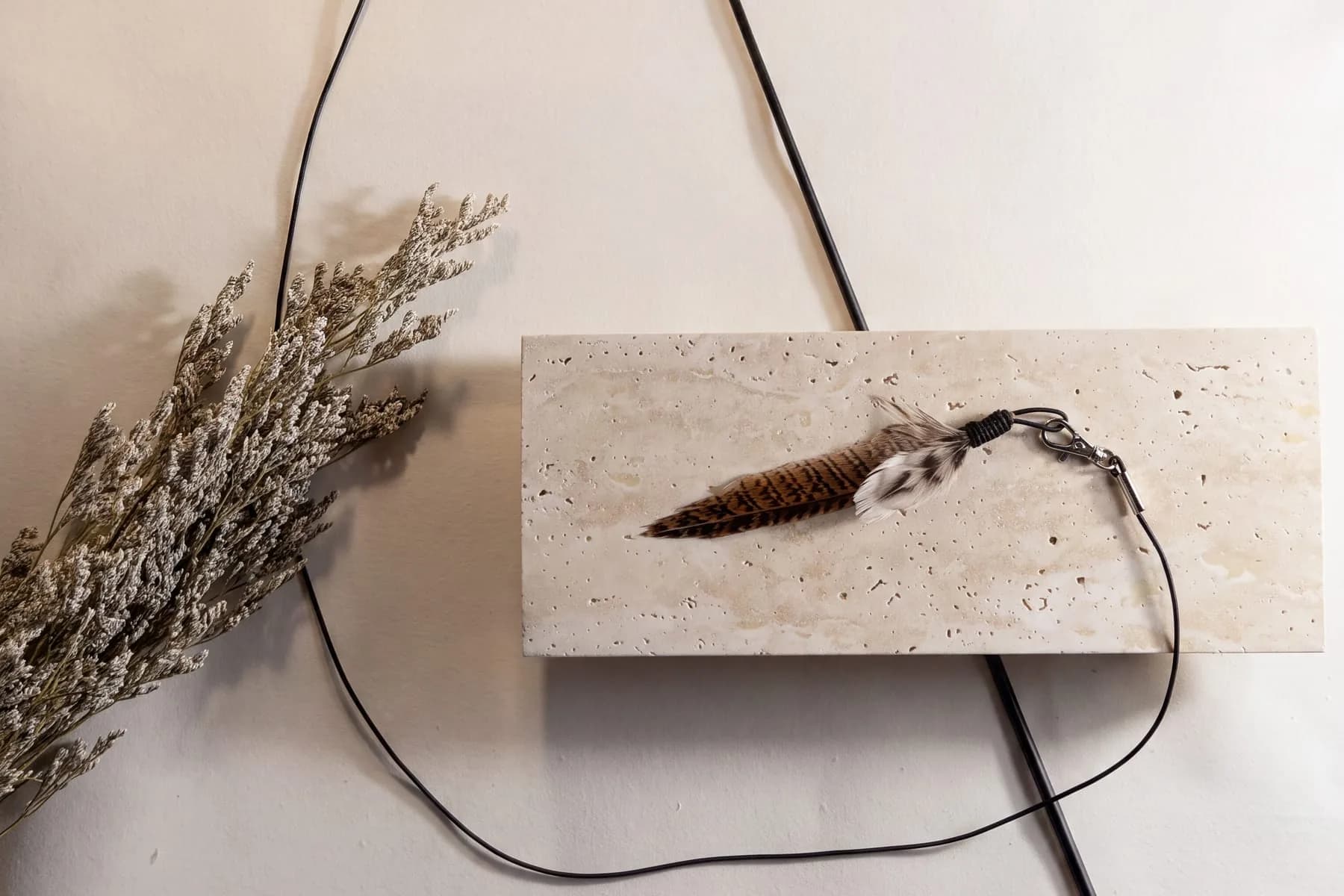
There's a specific aisle in every pet shop that's just a wall of £3 wand toys. Bright feathers, plastic handles, elastic string. They look cheerful. They feel flimsy. Your cat will love them for about two weeks, and then you'll be back in the same aisle buying the same thing again.
This isn't bad luck. It's the business model.
The disposable toy cycle
Mass-market cat toys are engineered to a price point, not a performance standard. Injection-moulded plastic handles crack. Telescoping joints seize or snap. Cotton string frays and tangles. Glued-on feathers detach. These aren't defects. They're the predictable result of materials chosen for manufacturing cost rather than longevity.
The economics work in the manufacturer's favour. A toy that breaks creates a repeat customer. A toy that lasts forever doesn't.
Cost per play session
A £3 pet shop wand, used daily, typically lasts 2 to 4 weeks. Let's be generous and say 3 weeks. That's 21 play sessions. Cost per session: 14p.
Over a year of daily play, you'll buy roughly 17 of these wands. Total annual spend: £51.
Over five years: £255. Plus the accumulated waste of 85 broken plastic wands going to landfill.
Now take a premium wand built with materials that don't degrade. A solid walnut handle, a fibreglass rod that flexes without snapping, Dyneema cord that doesn't fray. The upfront cost is higher. The Chaser is £49 (Founding Edition). But the rod and handle are designed to last years. The only recurring cost is replacement attachments when feathers naturally wear out - which happens on every wand regardless of price.
Replace the attachment once a year and your two-year total is £49 for the wand plus two Refill Packs at £14 - £77. The disposable cycle over the same two years costs £102. That works out at 10.5p a play session against 14p, and at the end of it you still own the wand.
The premium product is the cheaper option. It just doesn't look that way on the shelf.
The hidden costs
Beyond the direct spend, disposable toys carry costs that don't show up on the receipt.
Safety. Cheap wands shed small components: wire tips, plastic connectors, elastic fragments, detached feathers with glued-on dyed fibres. These become ingestion risks. Removing a swallowed object is surgery: one PDSA patient's string operation cost £843.09 (opens in a new tab), and the insurer Animal Friends puts the average cat foreign-body claim at £1,834 (opens in a new tab).
Waste. At a wand every three weeks, one cat gets through seventeen disposable toys a year - comfortably over a kilogram of mixed plastic, wire and synthetic fabric. Mixed-material pet toys can't be effectively recycled, so all of it lands in the bin.
Worse play. When the toy is half-broken - string tangled, feather hanging by a thread, handle cracked - most owners still use it rather than replace it immediately. The play experience degrades. Sessions get shorter. Engagement drops. The cat gets less enrichment, and the owner starts to think their cat "just doesn't like playing."
The question to ask
Next time you're reaching for a £3 wand, ask yourself: am I buying a toy, or am I buying three weeks of toy?
The answer determines which option is actually expensive.
The Chaser is £49 in its Founding Edition, and it's the last cat wand you'll buy.